VISIT OUR FACEBOOK PAGE!
Biblical Maps: Old Testament History From Noah to Abraham
Biblical maps bring the Bible to life. When one has an understanding of the geography involved in Biblical events, it is like watching an HD television as opposed to listening to AM radio. Biblical maps bring the characters & events of the Old & New Testaments to life.
For example, in the Abraham narrative we are told Abraham traveled to Bethel and encamped on a mountain "to the east of Bethel". This seems like a rather mundane & innocuous detail. When one views this area on a simple Google Earth map there is a mountain precisely there by ancient Bethel just as the Bible describes.
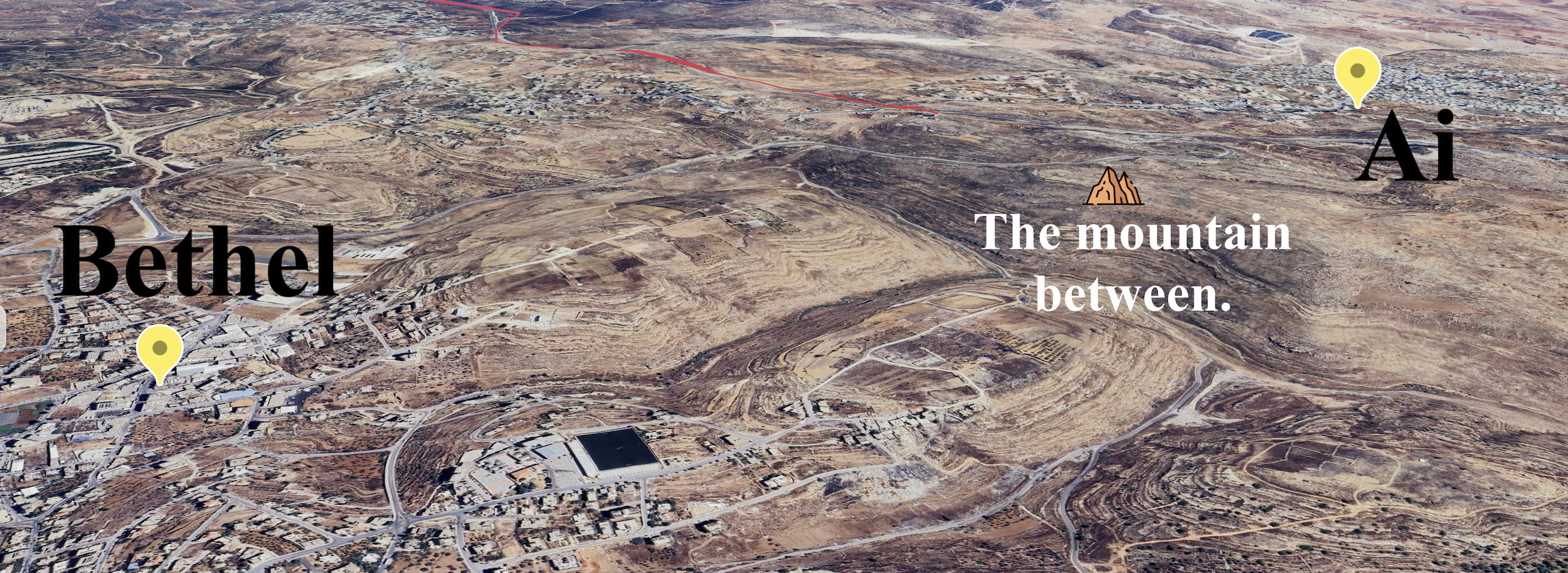
This level of detail lends credibility to the Scriptures as being eye witness events. If the writer gives that much detail to the geography and land, and the places and people groups mentioned are indeed historical, then why would not the characters and events of the Bible in fact be true accounts?
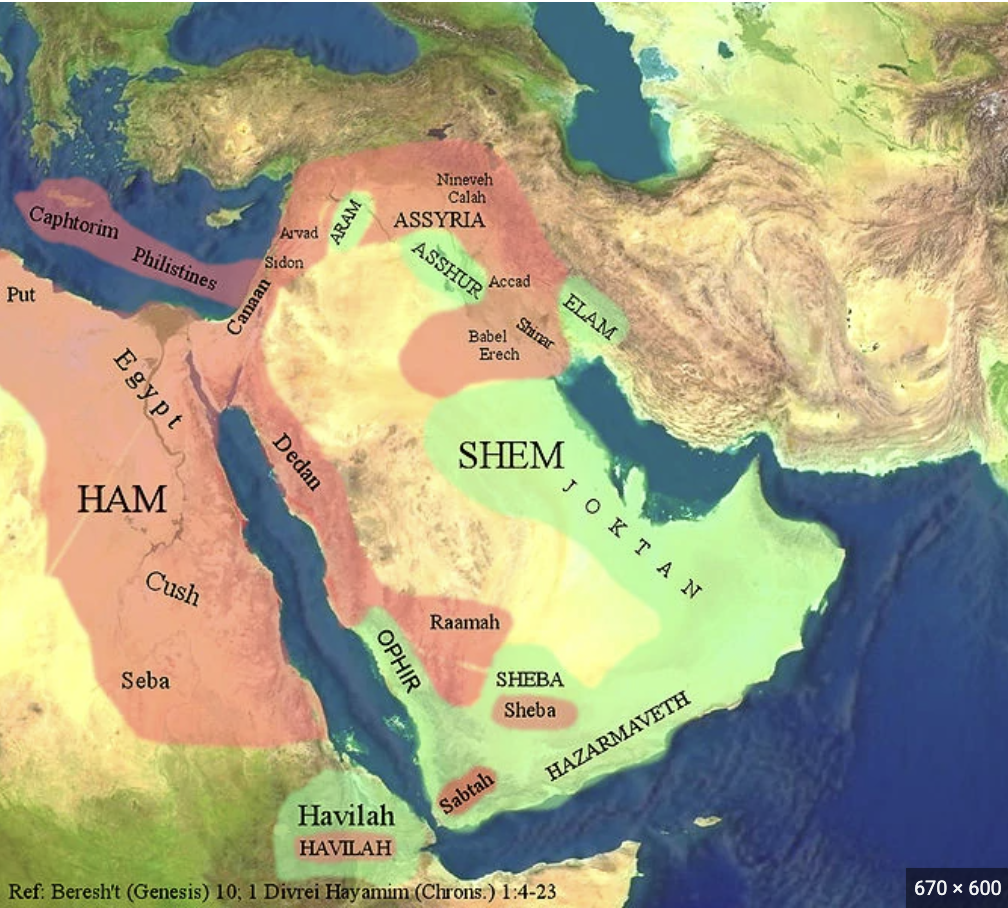
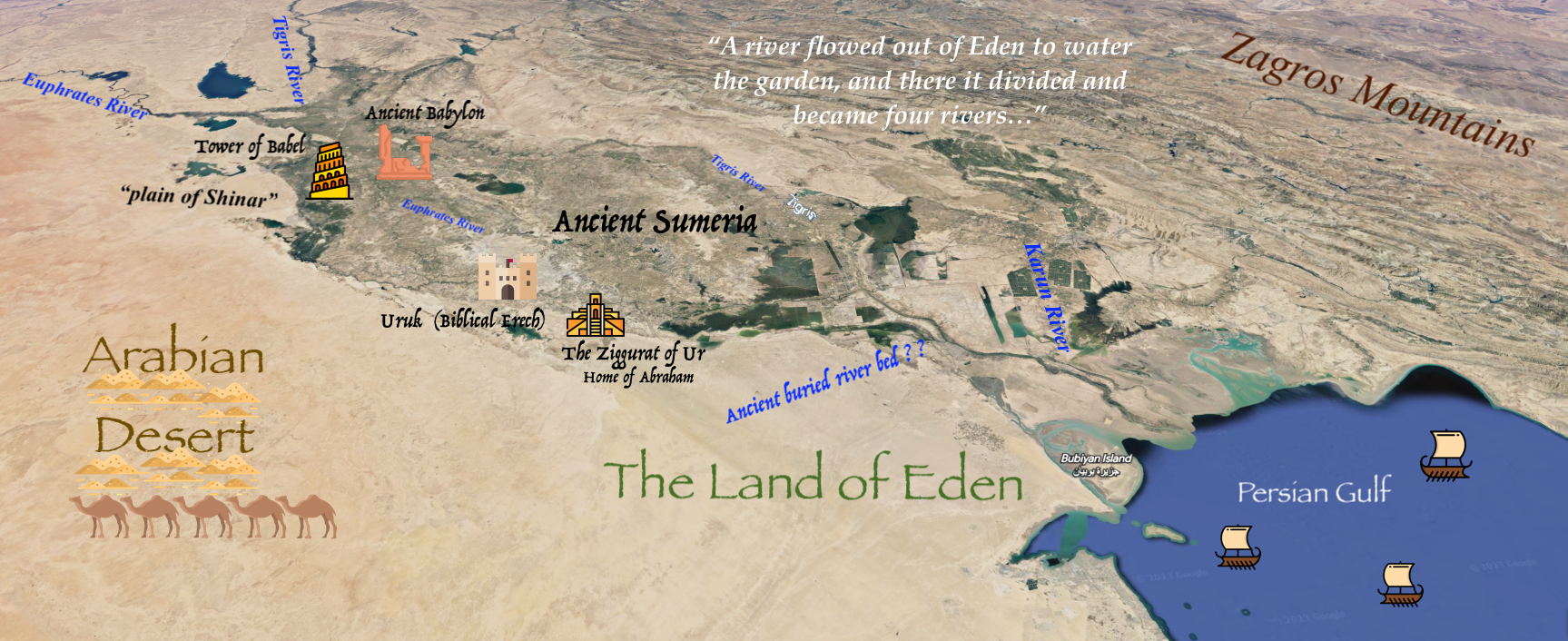
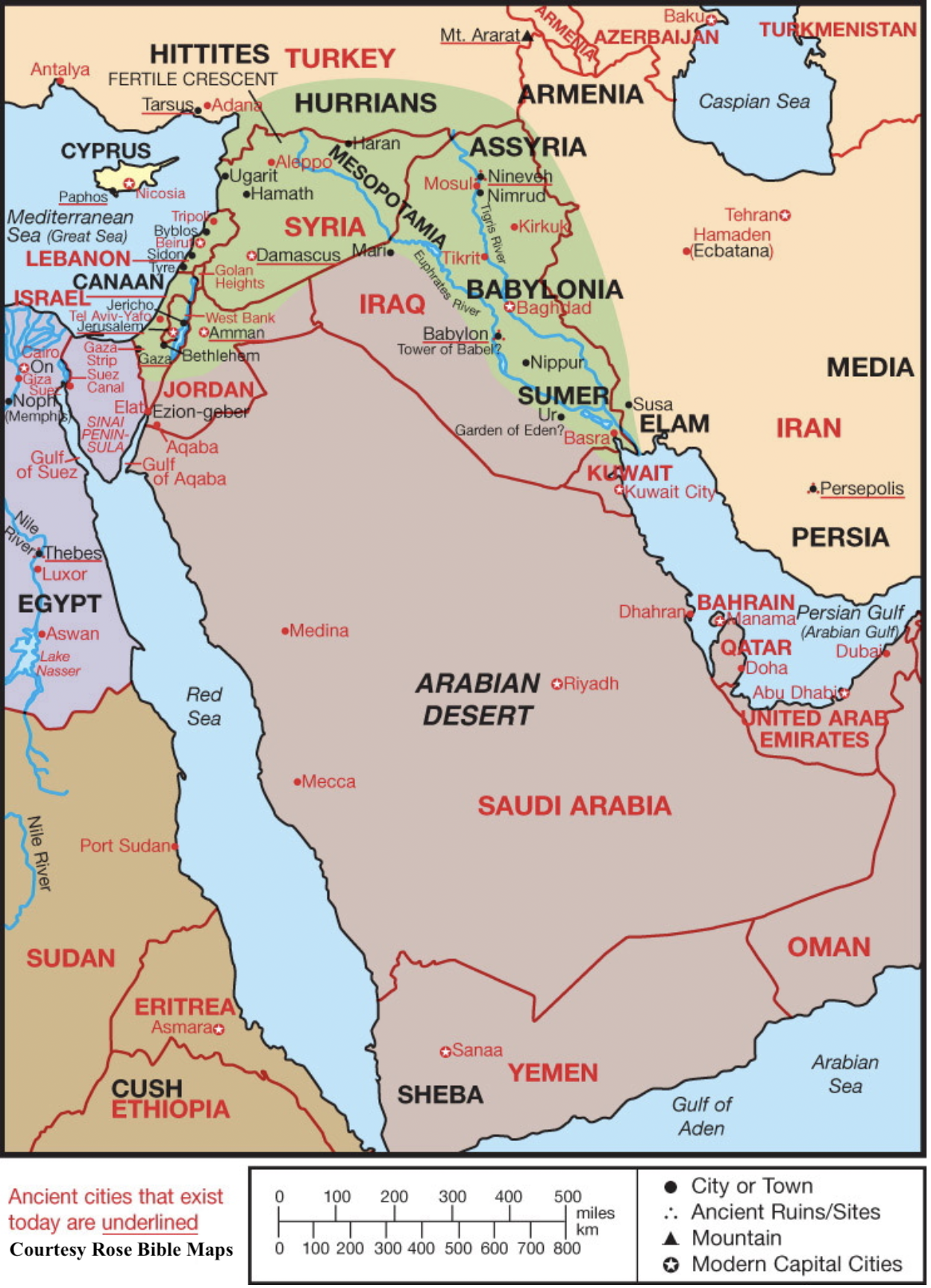
The Sons of Noah: Shem, Ham & Japheth Re-populate the WorldNoah’s three sons—Shem, Ham, and Japheth—were the only members of their generation to survive the Great Flood, serving as the progenitors for the entire human race. In the biblical narrative, Shem is traditionally honored as the ancestor of the Semitic peoples and the lineage that eventually led to Abraham and Jesus. Ham is often associated with the peoples of Africa and the Near East, though his legacy is complicated by an incident involving his father’s nakedness that resulted in a curse upon his son, Canaan. Japheth is generally linked to the expansion of maritime and Indo-European nations, spreading throughout Europe and parts of Asia. Together, the families of these three brothers formed the "Table of Nations" described in Genesis 10, outlining the cultural and geographical origins of the ancient world. This genealogy serves as a bridge in the Bible between the antediluvian world and the repopulation of the Earth. The Land of Eden: Paradise on EarthThe Land of Eden (or Garden of Eden) is described in Genesis 2 as the beautiful, perfect paradise God planted “in the east” for the first humans, Adam and Eve.Key Biblical Details:
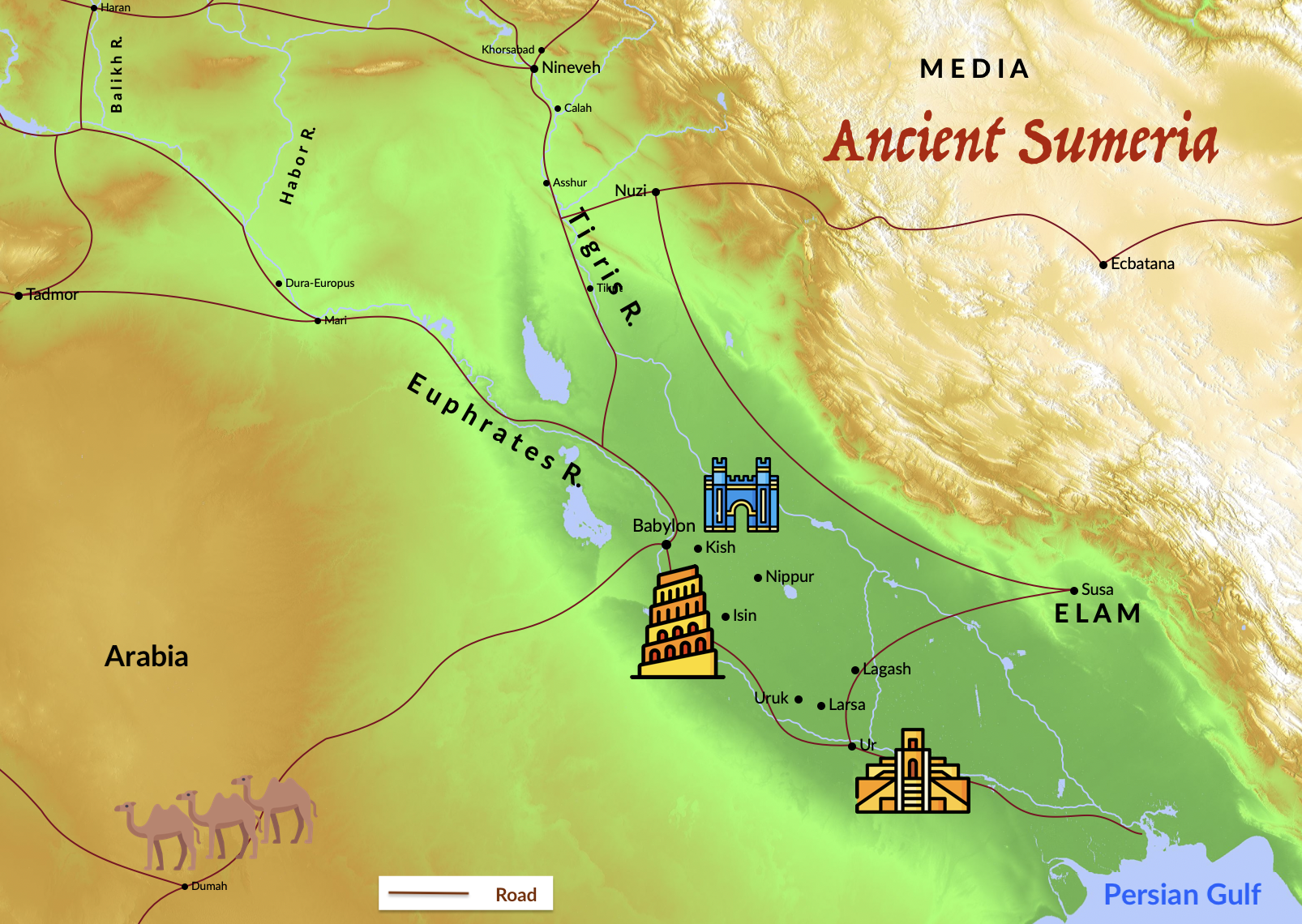
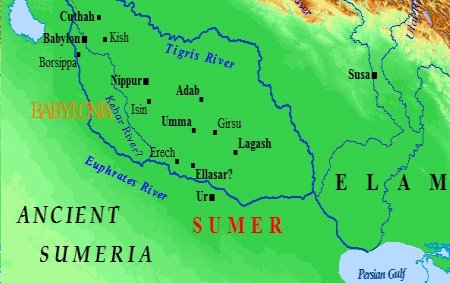
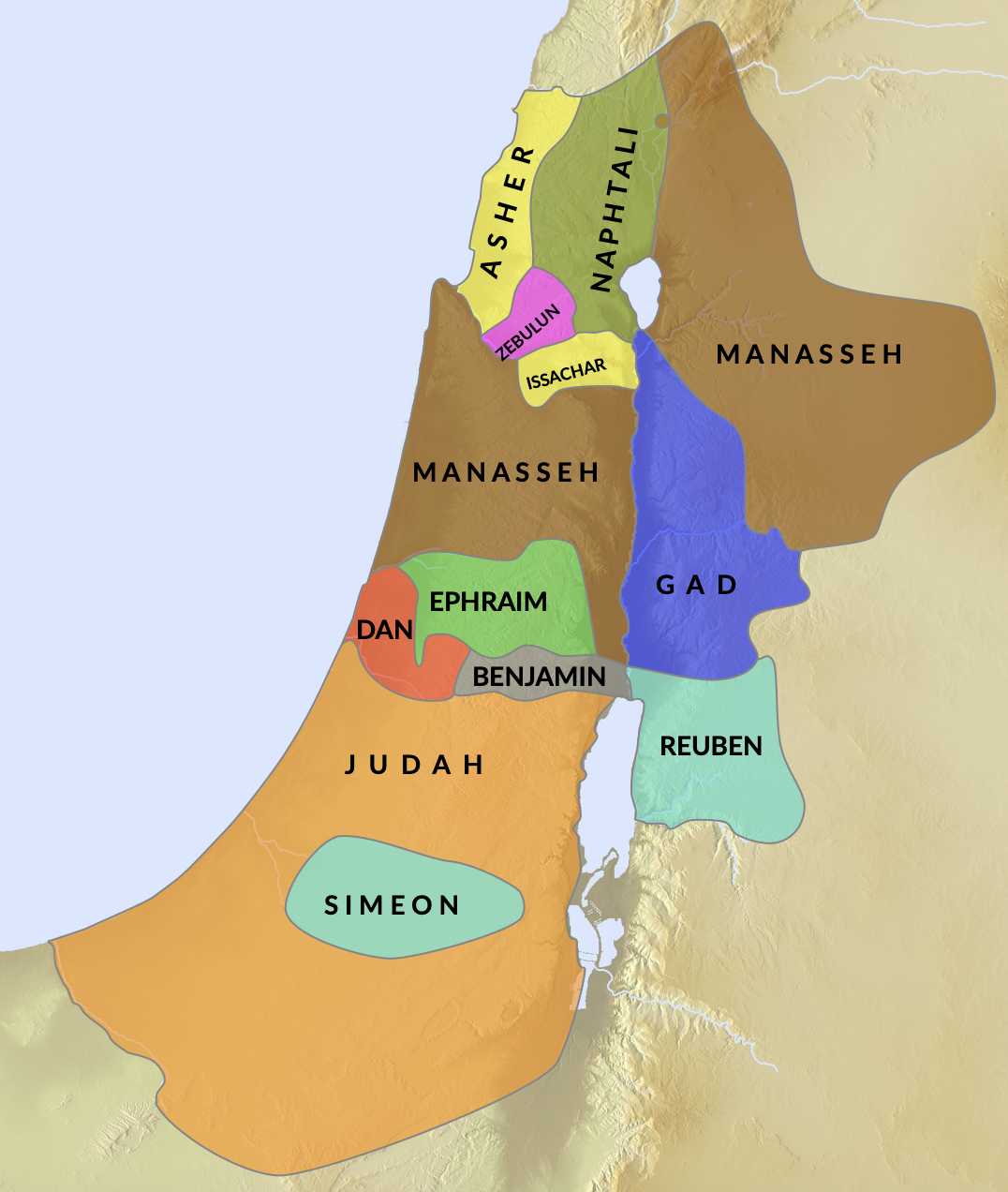
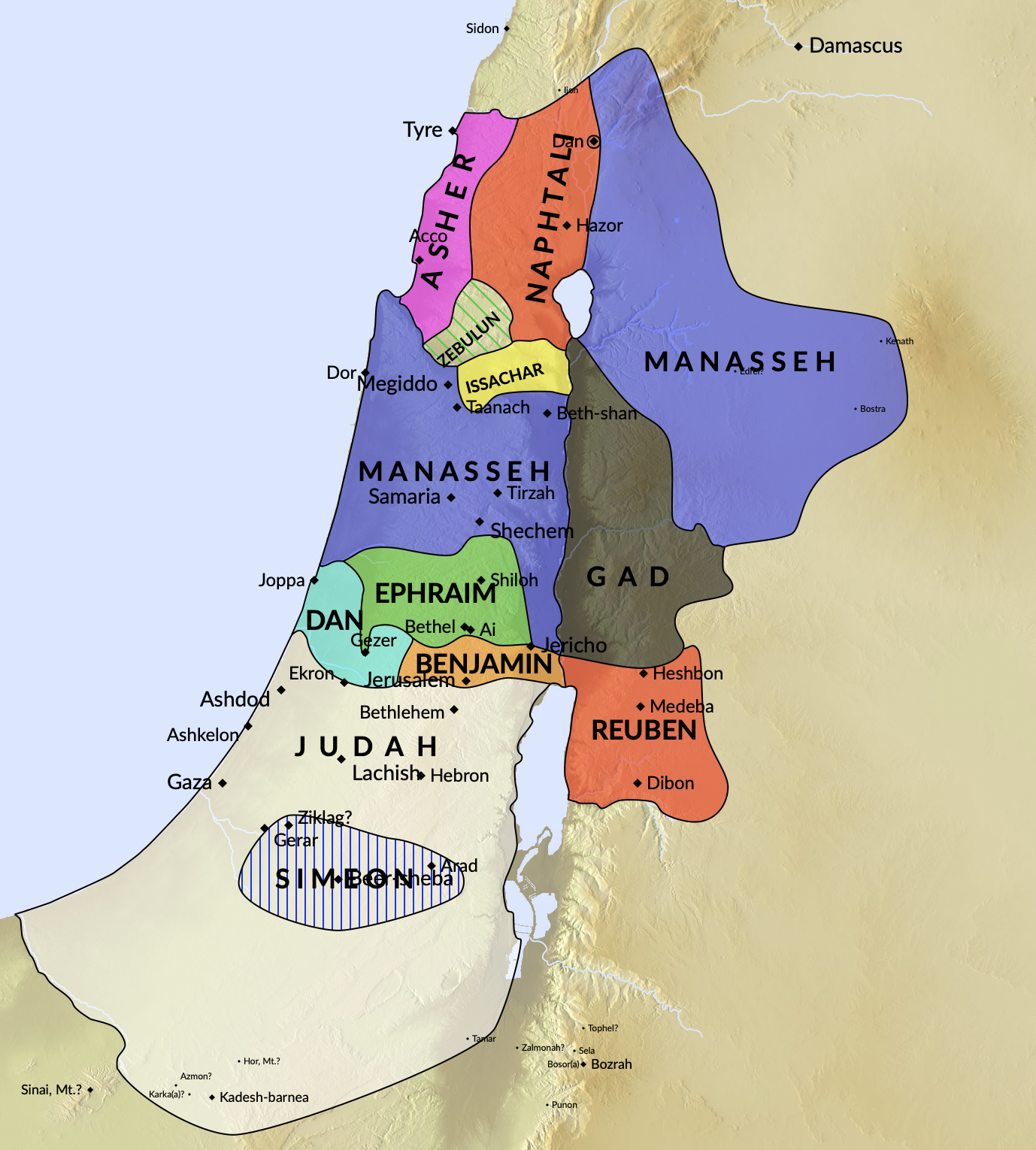
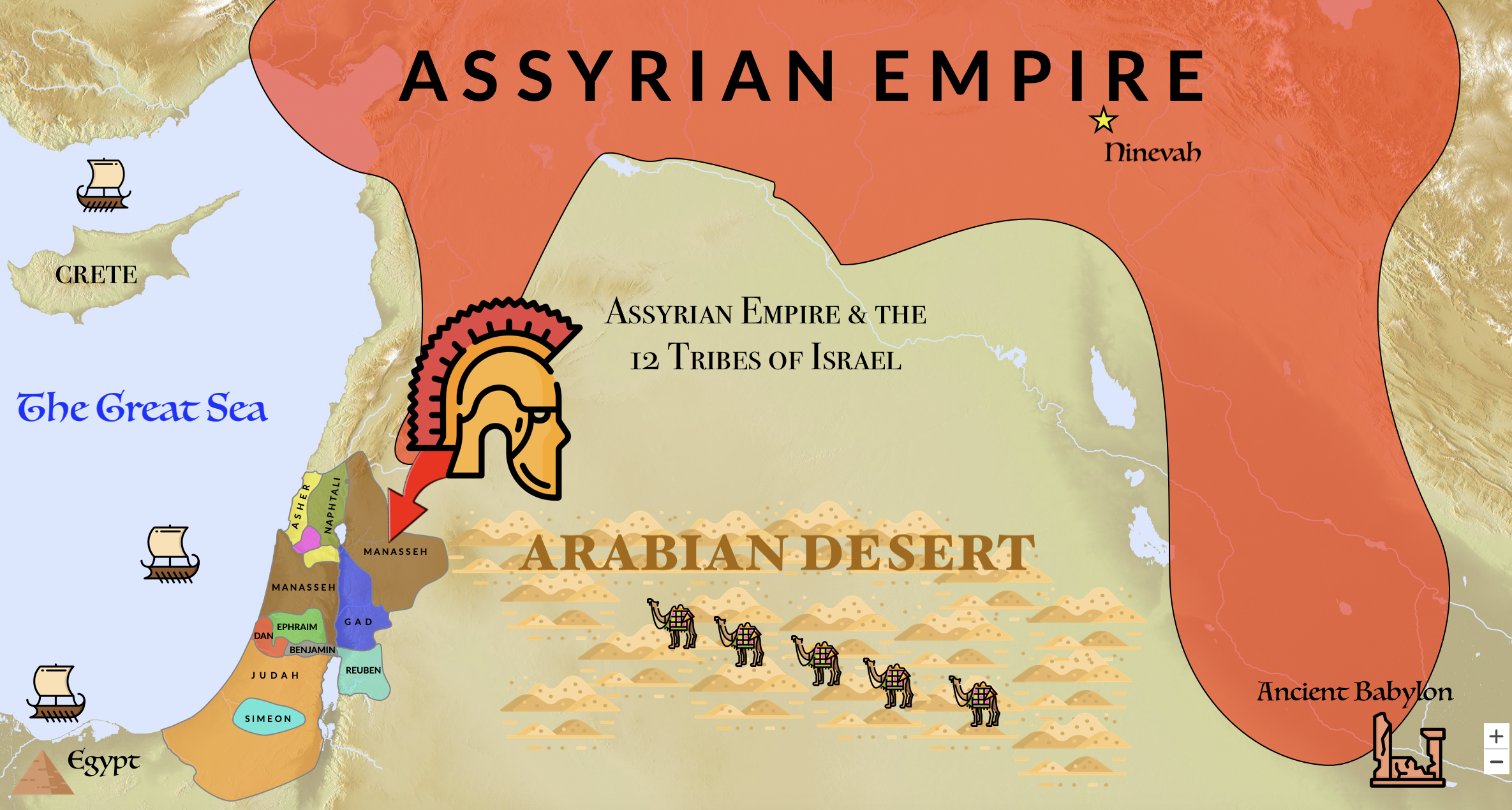
The Ancient Land of Sumeria: Biblical Roots & Spiritual RebellionAncient Sumeria was the first recorded kingdom ca. 3000 BC. Sumer is intimately connected with the Biblical narrative in a number of ways, perhaps most notably as the home of Abraham. Abraham traveled from Ur in southern Mesopotamia to Canaan. The Land Between Two Rivers is alternative designation for the Ancient Sumerian Empire. The Bible says after the flood the people migrated & settled on the Plains of Shinar. Perhaps these early settlers were the Sumerians, or, progenitors to the Sumerians. Very little is actually known about this super-advanced civilization. The 12 Tribes of Israel:The Twelve Tribes of Israel represent the traditional divisions of the Hebrew people, each descended from one of the twelve sons of the patriarch Jacob. Following the Exodus from Egypt and the conquest of Canaan, these tribes were allocated specific territories across the Promised Land. This tribal structure formed the foundational social and political identity of ancient Israel, eventually uniting under a single monarchy before splitting into the Northern and Southern kingdoms centuries later. The Tribal Territories of Israel
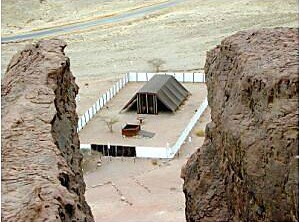
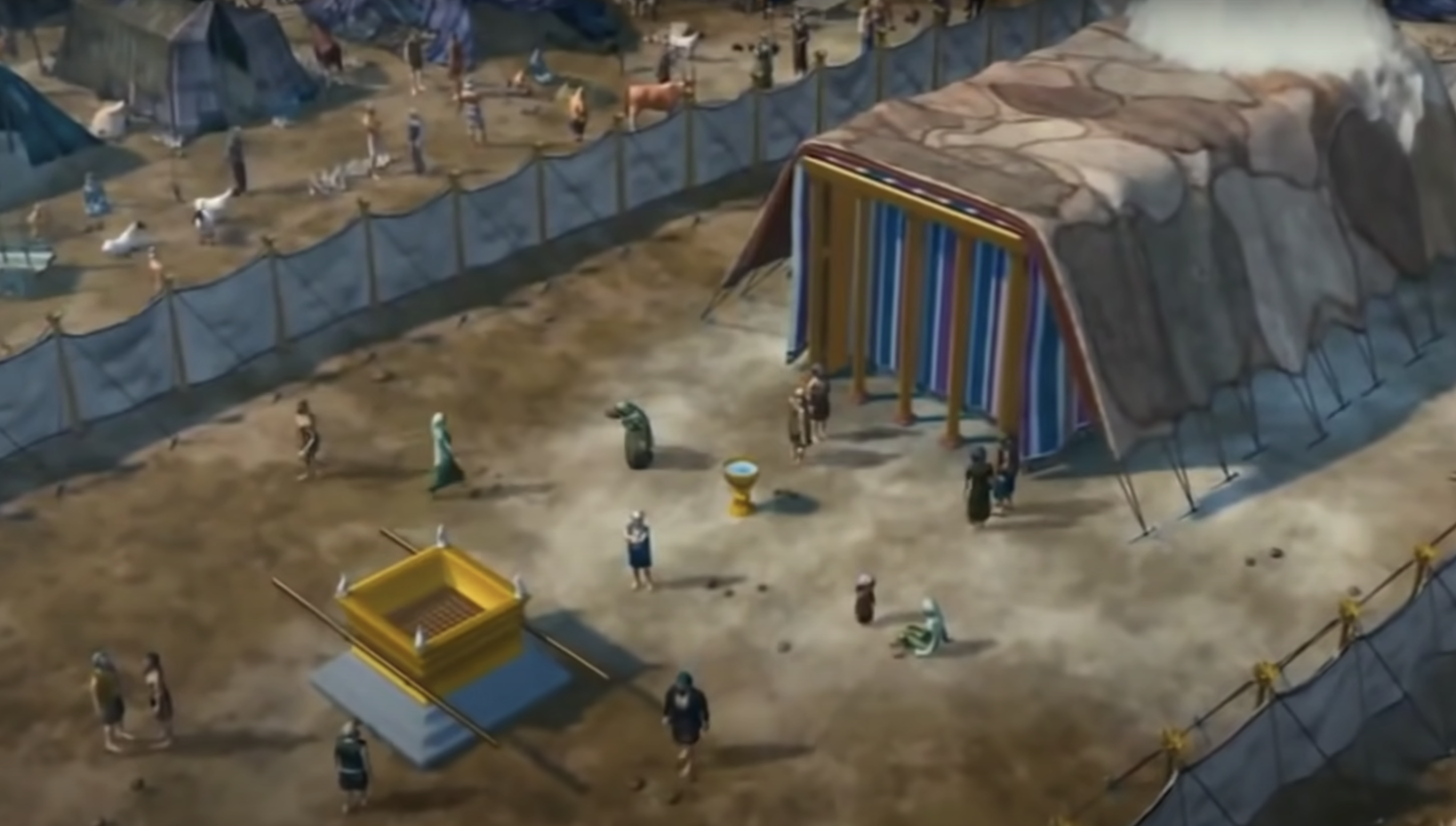
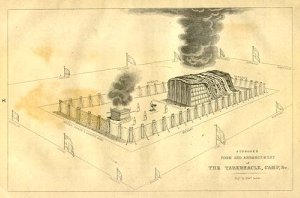
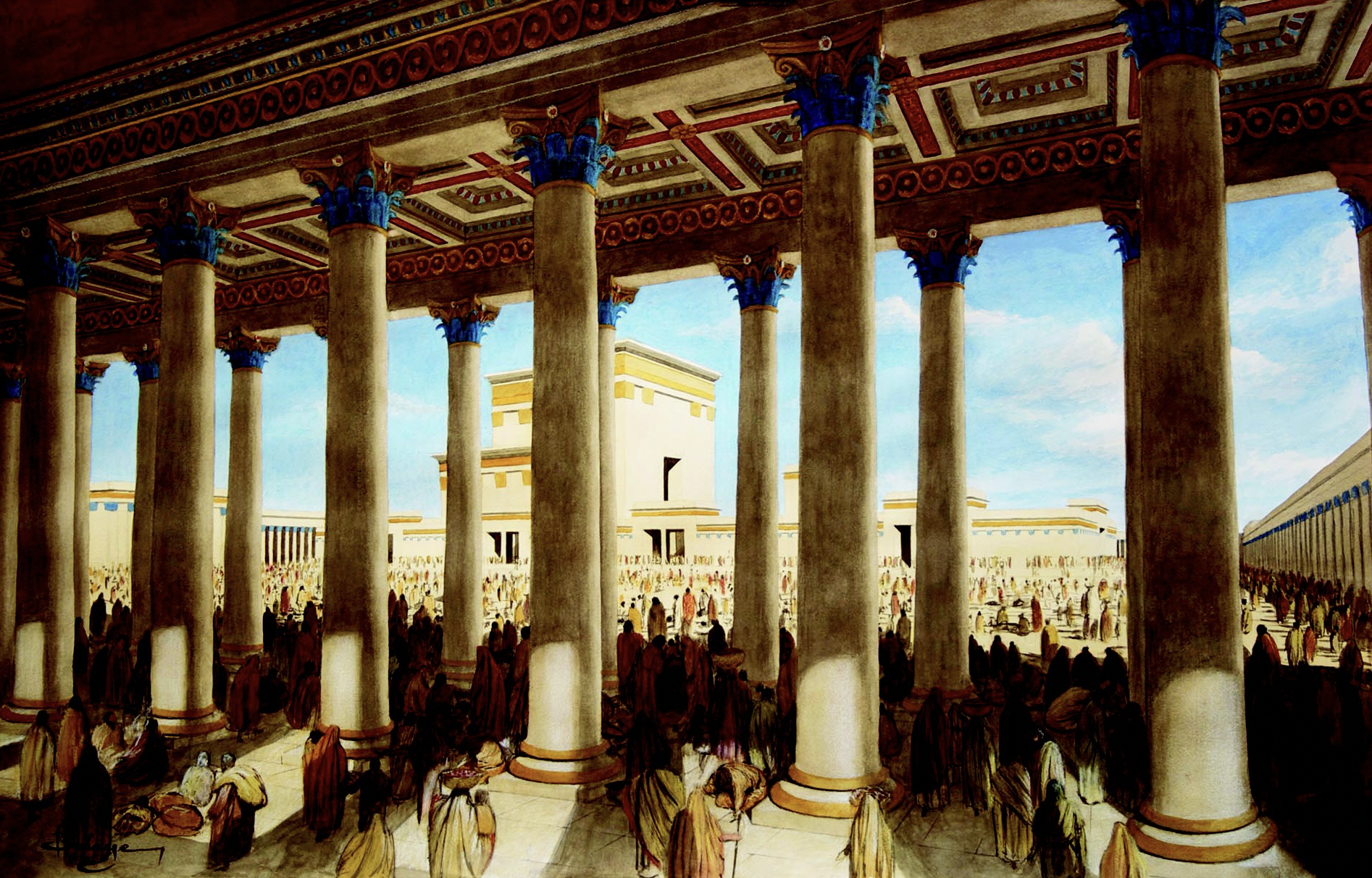
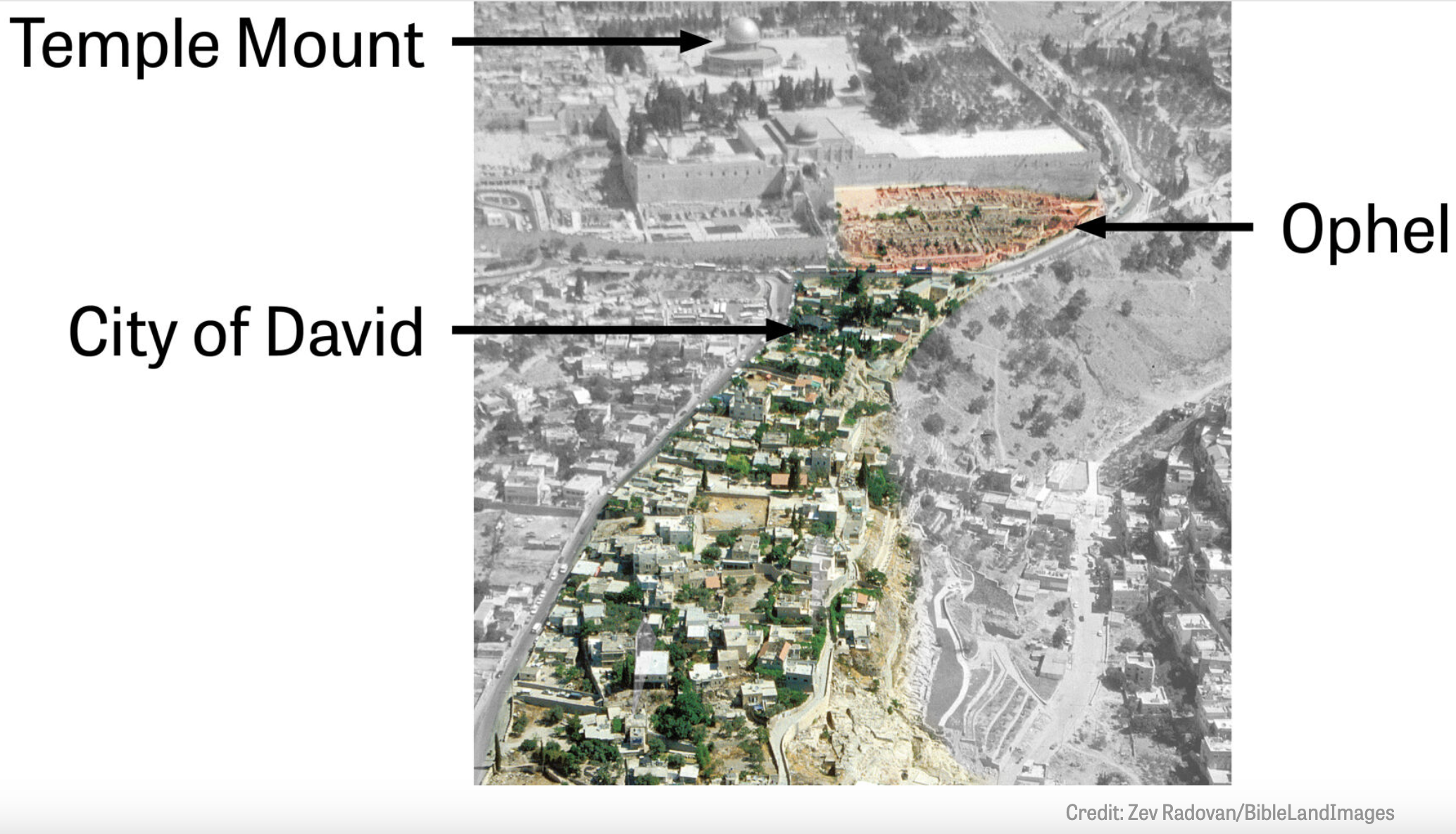
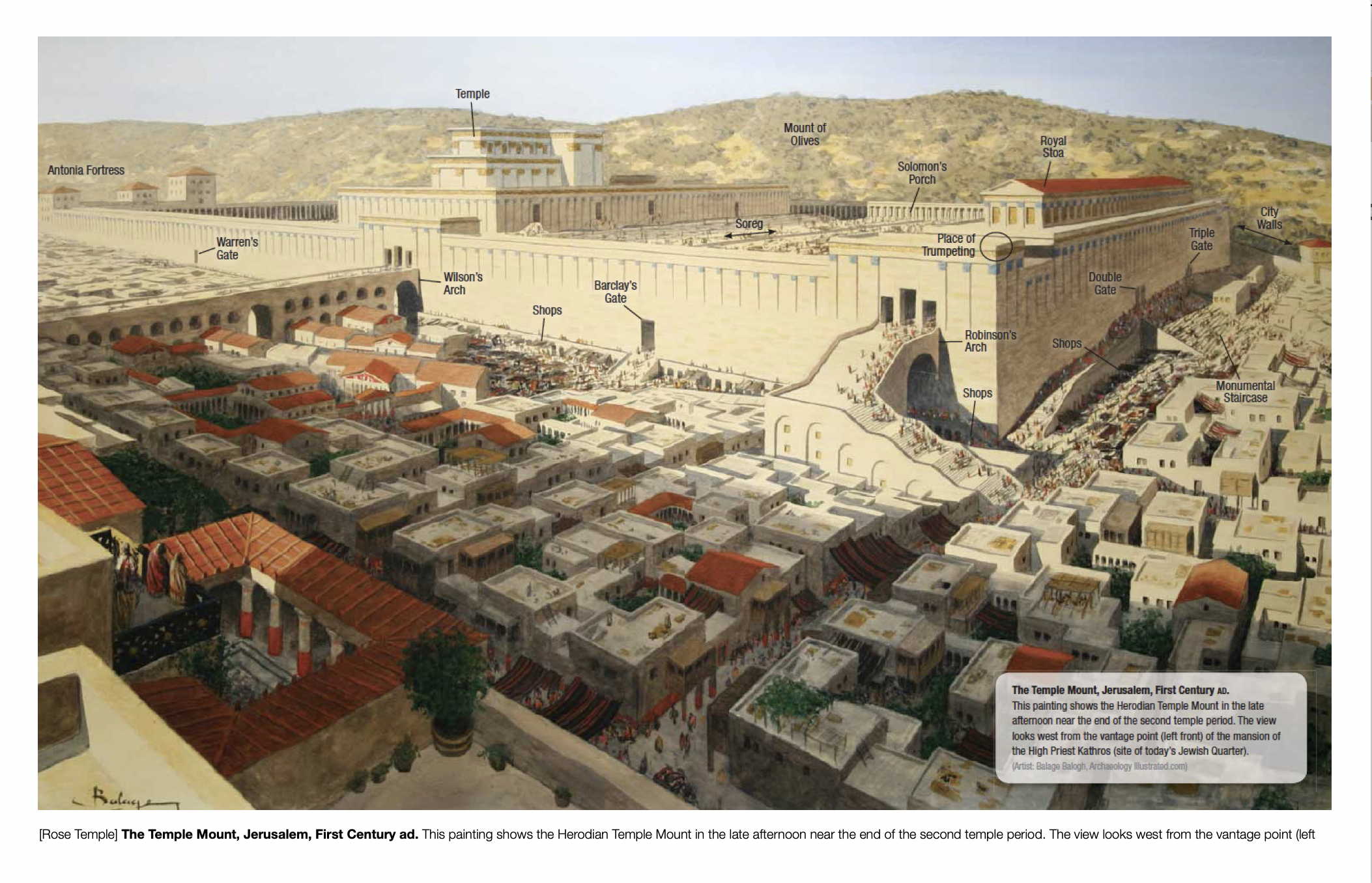
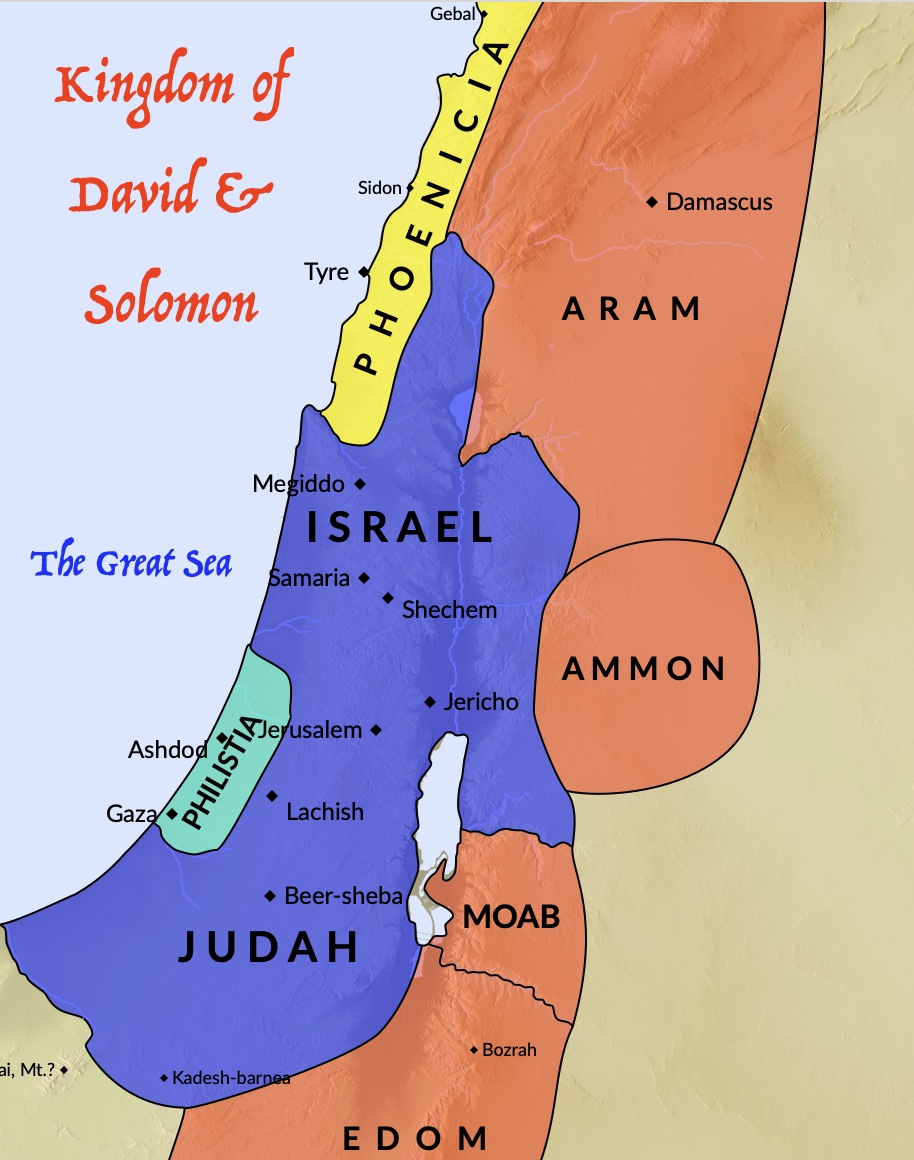
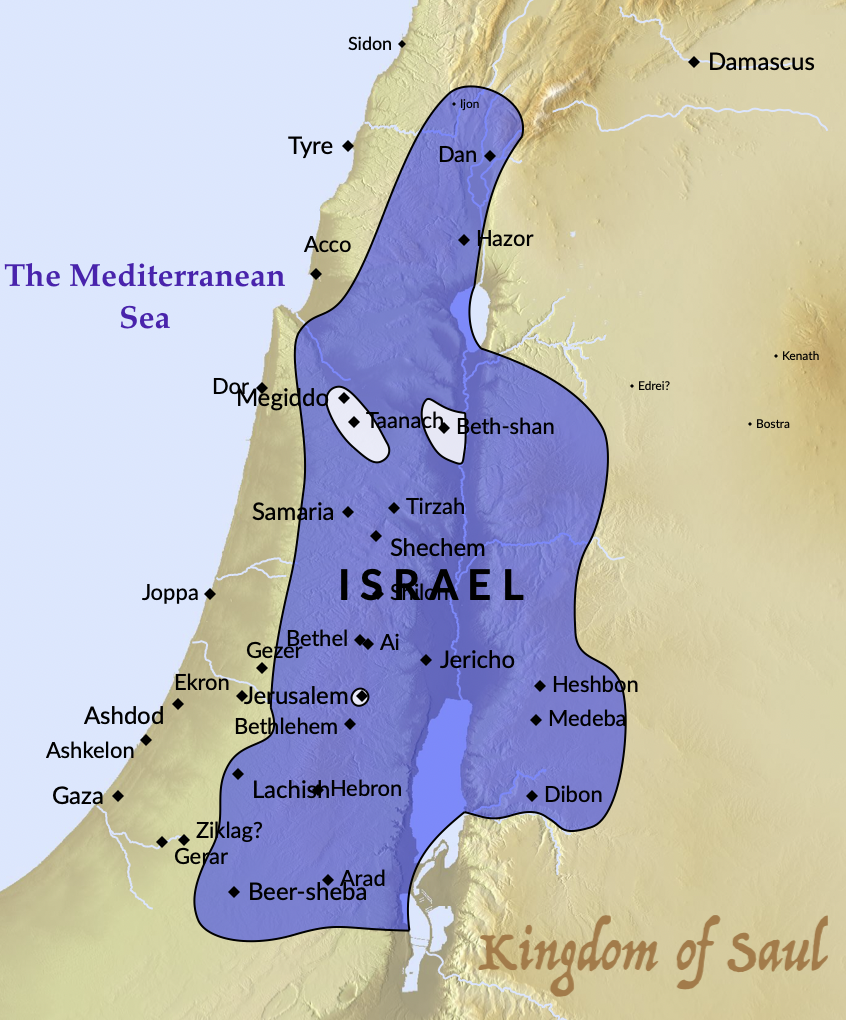
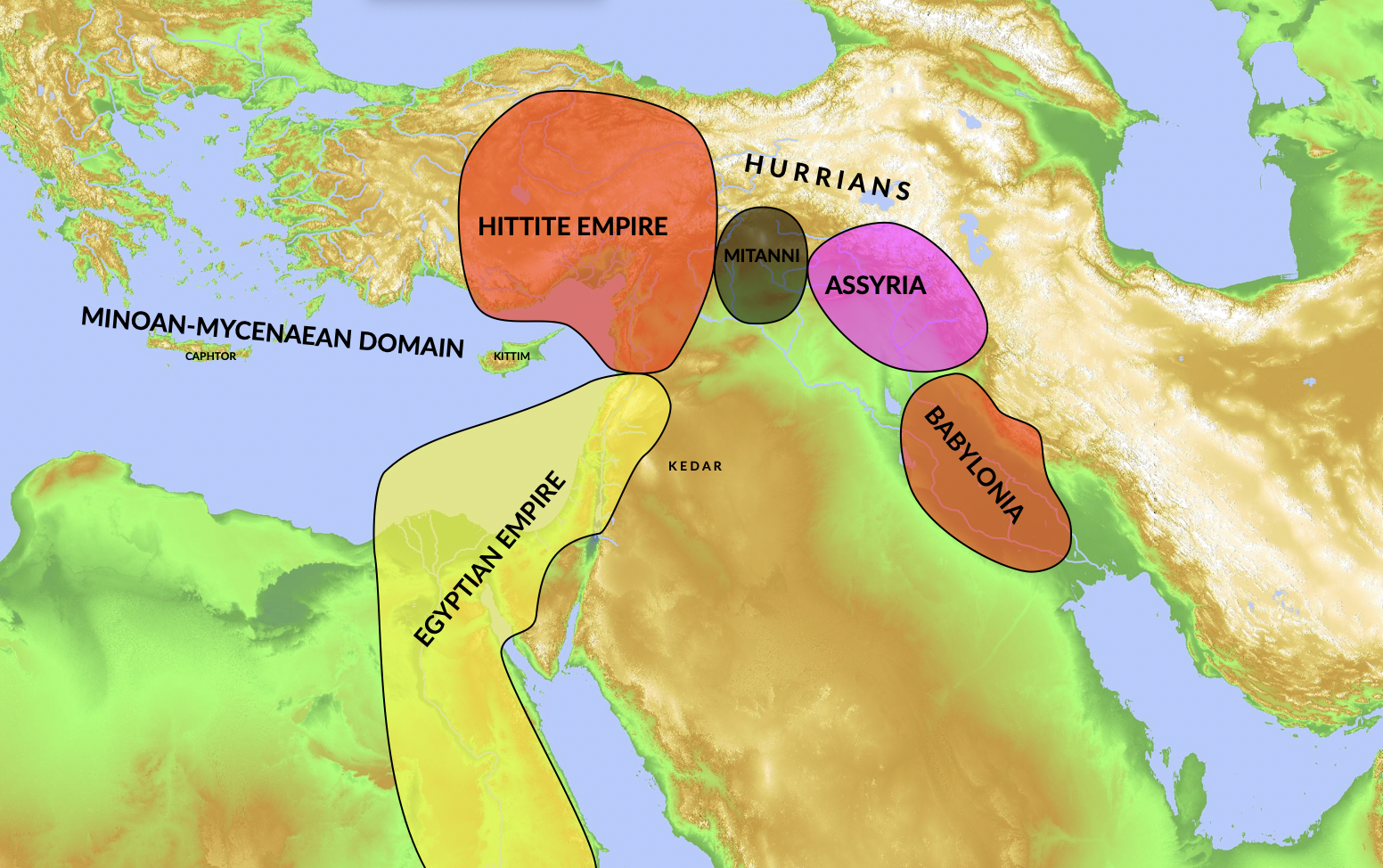
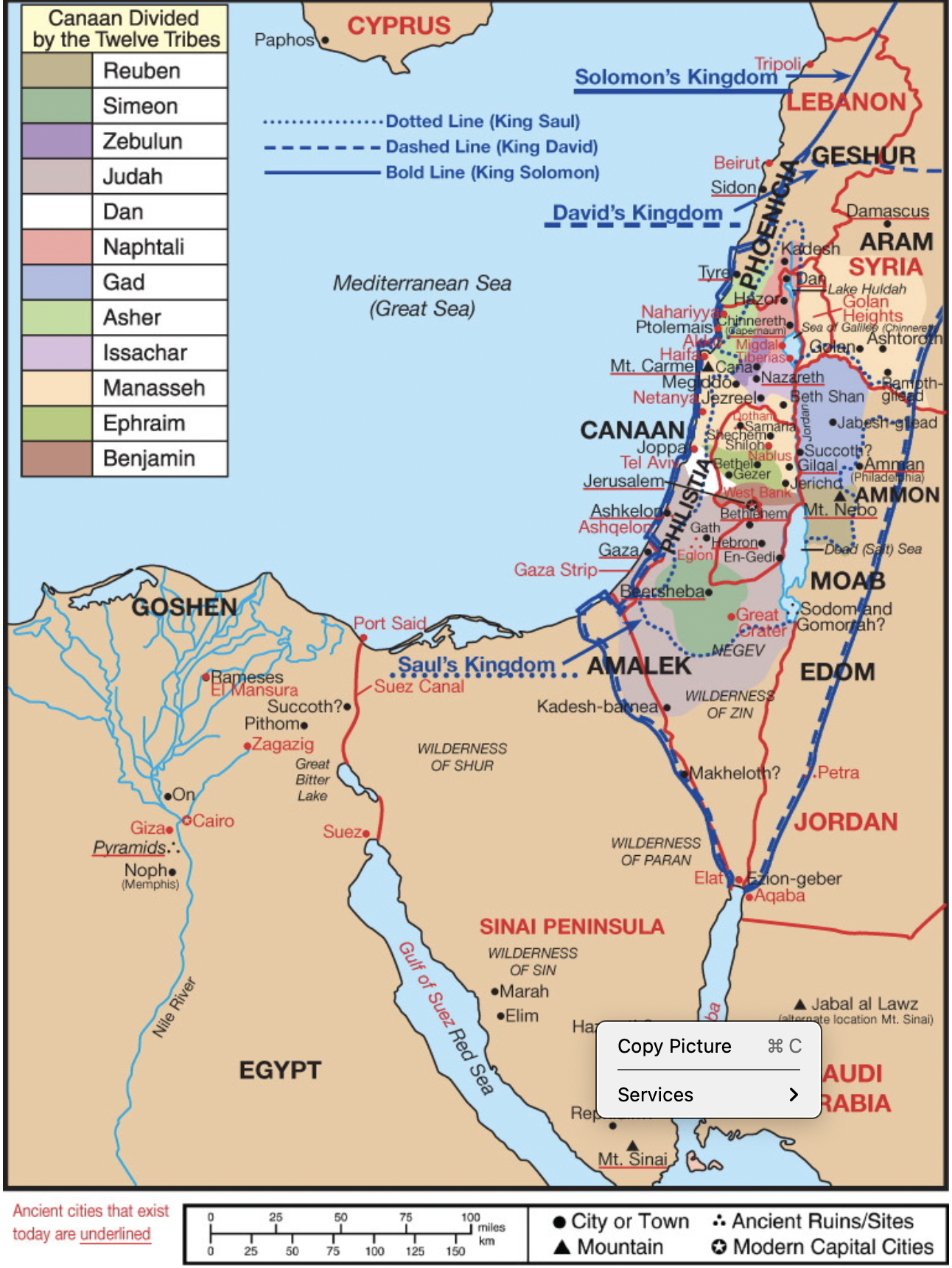
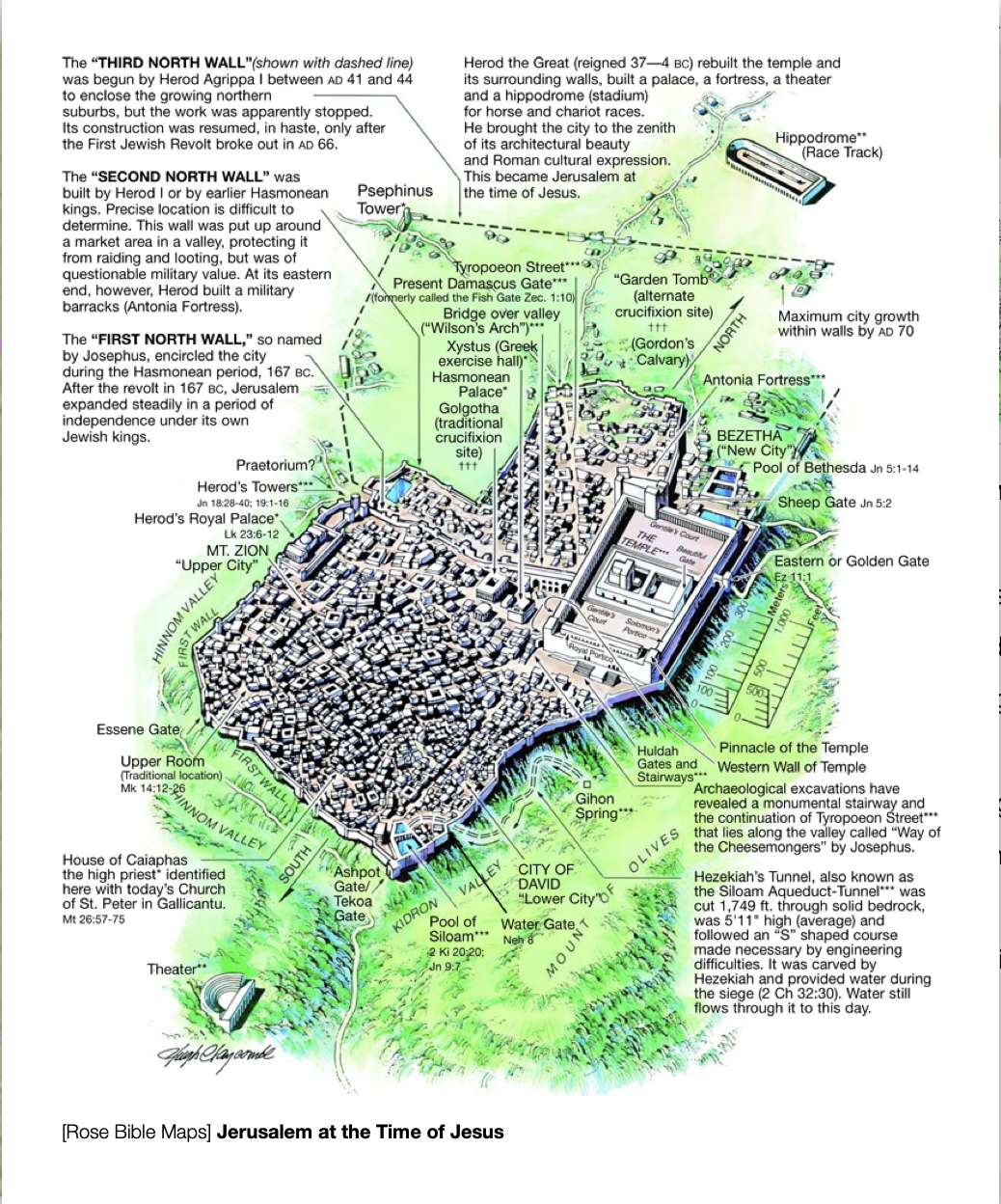
After conquering Canaan, Joshua divided the Promised Land among the Twelve Tribes (Joshua 13–21). Reuben, Gad, and half of Manasseh received land east of the Jordan. Moses required their participation in the conquest west of the Jordan before the fighting men could settle in their land. The remaining nine and a half tribes were allotted territories west of the Jordan by lot: Judah in the south, Ephraim and Manasseh in the center, and the other tribes (Benjamin, Simeon, Dan, Issachar, Zebulun, Naphtali, Asher) spread across the north and west. Levi received cities, not land. These cities were placed regionally. Boundaries followed natural features like rivers, mountains, and seas. The Tabernacle of Moses & Jewish TempleThe Tent of Meeting, or Tabernacle, was the original form of Israel's temple. It was used as the meeting place for Yahweh during the 40 years in the desert. It was the forerunner of Solomon's First Temple and Herod's Second Temple during the time of Jesus. The Tabernacle, often called the "Tent of Meeting," served as the portable earthly dwelling place for the Divine presence during the Israelites' journey from Egypt to the Promised Land. Established at Mount Sinai, its design was not a product of human intuition; rather, it followed a strict "strategic approach" based on specific instructions given to Moses. God commanded: "And let them make me a sanctuary; that I may dwell among them" (Exodus 25:8), and emphasized the need for precision: "And look that thou make them after their pattern, which was shewed thee in the mount" (Exodus 25:40). Architecturally, the Tabernacle was a masterpiece of symbolic engineering. It consisted of a rectangular courtyard enclosed by linen curtains. Within this courtyard sat the Tabernacle structure itself, divided into two sections: the Holy Place and the Holy of Holies. These spaces were separated by a thick, ornate veil, representing a boundary that only the High Priest could cross once a year. The furniture within the Tabernacle served as functional "data points" for worship and sacrifice. In the courtyard stood the Brazen Altar for sacrifices and the Bronze Laver for cleansing. Inside the Holy Place were the Golden Lampstand (Menorah), the Table of Showbread, and the Altar of Incense. The "main thing," however, was found in the Holy of Holies: the Ark of the Covenant, which contained the Ten Commandments and served as the throne of God’s presence. The Tabernacle was designed for mobility, reflecting the nomadic life of the Israelites. Every piece was crafted to be disassembled and carried, ensuring that the "signal" of God's presence remained constant regardless of the "noise" of the wilderness. This structure provided the Israelites with a central identity and a clear path for interacting with the Divine, serving as the theological blueprint for the permanent temples later built by Solomon and Herod. The Temple of Solomon & Herod: Israel's Second TempleWhen David conquered Jerusalem he established the city as the young nation's capital city. David moved his capital from Hebron in the south to a more centrally located Jebus, newly renamed Jerusalem. Eventually David would relocate the ark of the covenant residing in Shiloh to the new capital city of Jerusalem.  Herod's Temple during Passover thronged with pilgrims from all over Israel. Worshippers flooded Jerusalem and the Temple precincts as the city swelled in population to upwards of 250,000. The City of David remained buried under the debris of a millennia prior to archaeology unearthing its ruins. The painting below depicts the view of the Temple complex looking westward from the mansion of the High Priest. The Temple faced east, towards the Mount of Olives in the background. Today the Dome of the Rock dominates this view. View & Compare other Websites with Biblical maps. The Monarchy of Israel: The Kingdoms of David & SolomonAncient Empires of the Old Testament World
|




%20were%20expanded.)


